
Quick answer: Yes, rhinoplasty may be covered by insurance when it is medically necessary, such as for breathing problems, a deviated septum, nasal obstruction, or nasal trauma. Cosmetic rhinoplasty is usually not covered, and approved procedures may still involve out-of-pocket costs.
Have you ever wondered if it’s actually possible to get a rhinoplasty without paying a cent? Whether you’re exploring options for breathing issues or simply curious about a cosmetic transformation, the idea of a “free nose job” is an intriguing one and more common than you’d think to search.
While the term may sound too good to be true, there are some very real scenarios in which a rhinoplasty could be partially or even fully covered. Keep reading as we explore when and how this can happen, who qualifies, and what you need to watch out for.
Key Takeaways
- A fully free cosmetic rhinoplasty is rare, but insurance may cover nose surgery when it is medically necessary.
- Rhinoplasty may be covered if it corrects breathing problems, nasal obstruction, a deviated septum, nasal trauma, or another functional issue.
- Cosmetic changes to the nose are usually not covered by health insurance.
- A deviated septum may qualify for insurance-covered septoplasty, but cosmetic refinements may still be out of pocket.
- To apply for coverage, you usually need a medical evaluation, documentation, and insurance approval before surgery.
Does Insurance Cover Rhinoplasty?
Insurance may cover rhinoplasty or related nose surgery when the procedure is medically necessary. This usually means the surgery is being performed to improve breathing, repair an injury, or correct a structural problem inside the nose.
However, insurance usually does not cover rhinoplasty when the goal is only cosmetic, such as changing the size, bridge, tip, or overall appearance of the nose.
| Situation | Is it usually covered by insurance? | What to know |
|---|---|---|
| Deviated septum causing breathing problems | Often | The covered procedure may be septoplasty rather than cosmetic rhinoplasty. |
| Nasal obstruction or nasal valve collapse | Sometimes | Coverage depends on documentation and medical necessity. |
| Broken nose or nasal fracture | Often | Insurance may cover repair when treatment is needed after trauma. |
| Breathing problems after a previous nose surgery | Sometimes | Coverage may be possible if there is a documented functional issue. |
| Cosmetic nose reshaping | Usually not | Changes to appearance alone are considered elective. |
| Revision rhinoplasty for cosmetic dissatisfaction | Usually not | Insurance typically does not cover revision surgery unless there is a medical problem. |
The best way to know what your plan may cover is to contact your insurance provider and schedule an evaluation with an experienced nose surgeon.
How to Get Rhinoplasty Covered by Insurance
To get rhinoplasty covered by insurance, the procedure must usually be considered medically necessary, not purely cosmetic. This means the surgery needs to address a functional issue such as breathing problems, nasal obstruction, a deviated septum, nasal valve collapse, or trauma-related damage.
Here are the basic steps:
- Schedule an evaluation with an experienced rhinoplasty surgeon, facial plastic surgeon, or ENT specialist.
- Explain your symptoms clearly, including trouble breathing, chronic nasal blockage, sleep issues, or problems caused by a nasal injury.
- Get a medical diagnosis if you have a deviated septum, nasal fracture, nasal obstruction, or another structural concern.
- Ask what documentation is needed for your insurance provider, such as exam notes, photos, imaging, or prior treatment history.
- Have your surgeon’s office submit a prior authorization request if your insurance plan requires approval before surgery.
- Confirm what is covered before scheduling the procedure, including surgeon fees, anesthesia, facility costs, and any cosmetic portions of the surgery.
Even if insurance approves part of your nose surgery, you may still be responsible for deductibles, copays, coinsurance, or cosmetic changes that are not considered medically necessary.
Can You Get a Free Nose Job for a Deviated Septum?
A deviated septum may qualify for insurance-covered nose surgery if it causes breathing problems or chronic nasal obstruction. In these cases, insurance is more likely to cover the functional part of the procedure, such as septoplasty, rather than cosmetic changes to the outside of the nose.
Here are a few important things to know:
- Septoplasty may be covered if your deviated septum affects breathing or nasal function.
- Cosmetic rhinoplasty is usually not covered if the goal is only to change the appearance of your nose.
- A combined procedure may involve both covered and out-of-pocket costs if you want functional correction and cosmetic refinement at the same time.
- Medical documentation matters, including symptoms, exam findings, photos, imaging, or prior treatments.
- Coverage depends on your insurance plan, deductible, copays, and prior authorization requirements.
The best way to know whether your deviated septum surgery may be covered is to schedule an evaluation with a qualified nose surgeon who can determine whether your case is functional, cosmetic, or both.
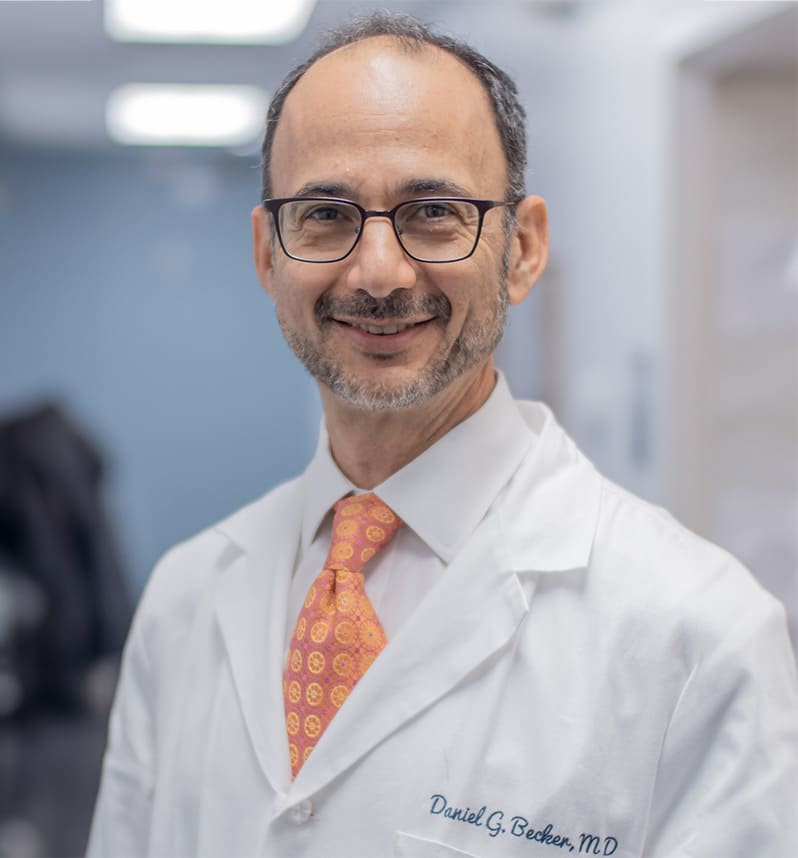
Secure Your Safe Treatment Experience with Dr. Daniel G. Becker.
Join our satisfied clients who’ve experienced safe, effective treatments.
So, if I Break My Nose, Can I Get a Free Rhinoplasty Procedure?
Whether or not you can receive a free rhinoplasty after breaking your nose largely depends on your insurance coverage plan, the severity of the injury, and how quickly you seek treatment. In most cases, a broken nose (nasal fracture) is considered a legitimate medical condition, not just a cosmetic concern. This means that insurance may cover surgical procedures aimed at repairing the fracture and restoring both the function and appearance of the nose. However, specific coverage policies vary, so it’s essential to consult with both your healthcare provider and insurance company to understand your eligibility and any out-of-pocket costs.
Can Revision Rhinoplasty Be Free?
Revision rhinoplasty is one of the most complex procedures in facial plastic surgery, requiring a high level of expertise and specialized training. Because of this complexity, it is typically more expensive than a primary rhinoplasty and rarely, if ever, performed for free by a new surgeon. However, if the original surgery was done by the same surgeon and produced unsatisfactory results, that doctor may offer a reduced fee or even waive their surgical fee for a revision, especially if it’s within a year of the initial procedure. That said, patients are usually still responsible for associated facility and anesthesia costs. It’s crucial to discuss these details directly with your surgeon to understand their specific policy and any potential expenses.
What Other Options Are There for a Free Nose Job?
While most rhinoplasty procedures come with a significant price tag, there are a few uncommon but legitimate avenues that may offer free or reduced-cost nose surgeries. These opportunities typically fall outside traditional insurance models and are often tied to specific programs, research initiatives, or surgeon-led efforts. If you’re seriously considering rhinoplasty but cost is a major barrier, exploring the options below could uncover a path that works for you.
Doctor-Specific Programs for Facial Plastic Surgery
Some plastic surgeons and nonprofit foundations offer pro bono or reduced-cost facial procedures to individuals who meet specific eligibility requirements, typically based on financial hardship and medical necessity. Programs like Reshaping Lives America by the Plasticos Foundation include rhinoplasty among the services provided to qualifying patients. These initiatives aim to restore function and confidence to individuals who cannot afford surgery otherwise. While opportunities are limited and competitive, they represent a meaningful option for patients willing to meet the criteria and go through an application process.
Clinical Trials Offering Free Rhinoplasty Surgery
Although rare, some clinical trials do offer free rhinoplasty as part of their research efforts. These studies, typically approved by the FDA and an Institutional Review Board (IRB), are designed to test new surgical techniques, devices, or materials, and may fully cover the cost of surgery for qualified participants. However, participation is limited to those who meet very specific criteria, and the procedure’s scope is usually restricted to the study’s focus. Interested patients can search databases like clinicaltrials.gov to explore both publicly and privately funded trials that may be accepting applicants.
The Hidden Costs of Every Cosmetic Surgery
Even if a rhinoplasty is advertised as “free” or heavily discounted, there are often underlying costs that patients don’t consider upfront. From initial consultations to recovery essentials, these expenses can add up quickly and impact your overall experience. Understanding what’s typically not included in the base price, or even in a pro bono offer, can help you avoid financial surprises and make better-informed decisions.
The Consultation
While some plastic surgeons offer complimentary rhinoplasty consultations, this isn’t always the case, especially if you’re seeking out a highly sought-after specialist. Many top-tier rhinoplasty surgeons charge a consultation fee, which reflects their time, expertise, and the detailed evaluation they provide. This cost can range from modest to several hundred dollars and should always be factored into your overall budget. Before booking, it’s a good idea to confirm whether the consultation is free or not, so you’re not caught off guard by an unexpected charge.
The Recovery Process
When budgeting for rhinoplasty, many people focus solely on the procedure itself, overlooking the financial demands of the recovery phase. Healing from nose surgery can take weeks or even months, and during this time, you’ll likely need prescription medications, post-operative supplies, follow-up visits, and potentially time off work. None of these recovery-related expenses are typically included in the surgical fee, even in pro bono cases. Planning ahead and understanding the full scope of what’s involved will help ensure a smoother and more manageable recovery.
Primary Rhinoplasty Results
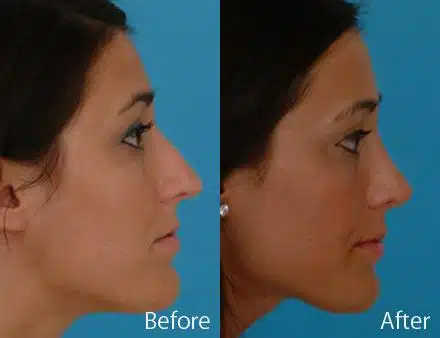
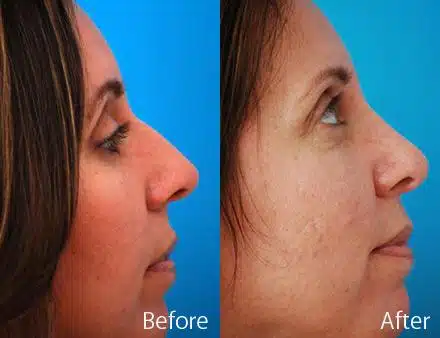
*All patients are unique and individual results may vary.
Always Consult with an Experienced Nose Surgeon
Rhinoplasty is a complex and delicate procedure that blends both artistry and medical expertise. Whether it’s being done for functional reasons or aesthetic goals, choosing a highly experienced surgeon significantly improves your chances of a safe procedure and a result that looks natural and feels right. Shortcuts or inexperience can lead to complications or dissatisfaction, especially with such a visible and functional feature as your nose.
At The Becker Rhinoplasty Center, you’re in expert hands. Dr. Daniel Becker is not only a top-rated specialist with years of surgical experience, but also a Clinical Professor at the University of Pennsylvania. With over 100 scientific publications, four surgical textbooks, and consistent recognition as a “Top Doctor,” Dr. Becker’s skills are unmatched. Call us at 856-772-1617 or 856-589-6673, or visit our contact page to schedule your consultation.
About the Author
Dr. Daniel G. Becker is a board-certified facial plastic and reconstructive surgeon and a nationally recognized rhinoplasty specialist with decades of experience performing both cosmetic and functional nasal surgeries.
As a Clinical Professor at the University of Pennsylvania and the author of more than 100 scientific publications, Dr. Becker brings a deep level of academic leadership and clinical expertise to his practice. He is dedicated to providing precision, safe postoperative care, and natural-looking results for every patient at Becker Rhinoplasty Center.