

In my practice, one of the most common concerns I hear from rhinoplasty patients isn’t about pain; it’s about sleep. Figuring out how to sleep after rhinoplasty is one of the biggest challenges in the early days of healing. Your sleeping position directly impacts swelling, breathing, and ultimately, your final aesthetic results.
Whether you have had cosmetic rhinoplasty, functional nasal surgery, or septoplasty, understanding the general sleep timeline can make recovery more comfortable. Below, we explain how long elevation is commonly recommended, when your surgeon may allow you to return to side sleeping, and which sleep supports may help you avoid accidental pressure on your nose.
Key Takeaways: Your Post-Rhinoplasty Sleep Timeline
- Days 1 to 7: Sleep on your back with your head elevated as recommended by your surgeon, using a recliner, wedge pillow, or another stable setup
- Day 7 (Cast Removal): Even after the cast comes off, your surgeon may recommend continuing to sleep elevated and on your back while the nasal structures heal.
- Weeks 2 to 3: Initial swelling and bruising are usually improving, although residual swelling and nasal congestion may continue. Continue sleeping on your back for as long as your surgeon recommends.
- Weeks 4 to 6: For most patients, this is when you can sleep on your side after rhinoplasty or septoplasty, but only once I (or your surgeon) explicitly clear you.
- Essential Gear: A U-shaped travel neck pillow may help limit side-to-side head movement and reduce accidental rolling. Body pillows, a wedge pillow, or a recliner may also be useful, depending on your comfort and your surgeon’s instructions.
The Recommended Early Position: Why Back-Sleeping Helps Protect Your Nose
After rhinoplasty surgery, sleeping on your back with your head elevated is commonly recommended during early recovery. This position helps keep pressure off the nose while supporting circulation and drainage during the early healing phase. It is also one of the simplest ways to reduce swelling and protect the delicate surgical area from accidental contact during sleep.
Keeping your head above chest level is especially important in the first days after surgery, when swelling and bruising are at their highest. According to Mayo Clinic’s rhinoplasty recovery guidance, elevating the head after surgery helps reduce bleeding and swelling, which is why surgeons commonly recommend this sleeping position early in recovery. The American Society of Plastic Surgeons also notes that initial swelling typically subsides over the first few weeks, but the nose continues to refine for up to a year, making it especially important to avoid unnecessary pressure on the healing structures early on your rhinoplasty recovery.
How Long to Sleep Elevated After Rhinoplasty
One of the most common questions patients ask is: “How long do I have to sleep elevated after rhinoplasty?”
Most surgeons recommend sleeping with your head elevated for at least 1 to 2 weeks following the procedure. This is when postoperative swelling is typically at its peak. By reducing swelling and supporting proper drainage of fluid, elevation helps improve circulation at the surgery site and promotes a smoother recovery experience. If you’ve had a revision rhinoplasty or more extensive work done, your healing timeline may be longer.
When Can I Sleep on My Side After Rhinoplasty?
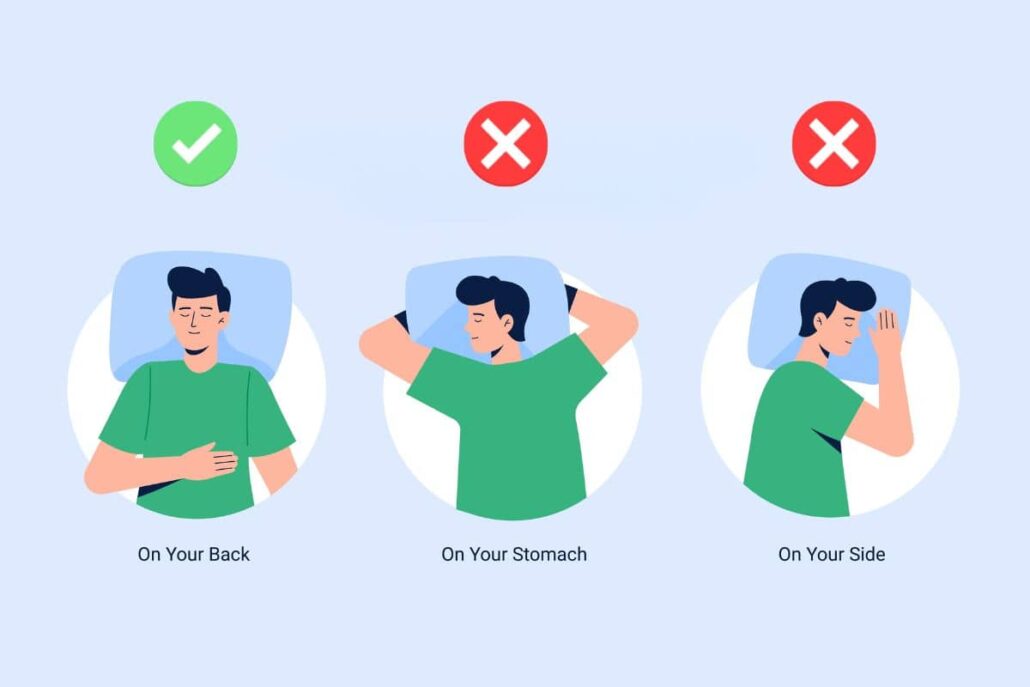
By week 4 or 6, the primary swelling has subsided, and the bones have begun to set. At this point, you no longer need to sleep strictly elevated, and I typically clear my patients to cautiously begin sleeping on their side after rhinoplasty (or septoplasty).
Avoid stomach sleeping until your surgeon confirms that it is safe. Sleeping face-down can place direct pressure on healing nasal tissues, increase discomfort or swelling, and potentially interfere with the early healing process.
start your rhinoplasty journey with expert guidance every step of the way
Book a consultation with Dr. Daniel Becker today at our Sewell or Voorhees offices.
Your Rhinoplasty Sleep Survival Kit: Essential Gear and Comfort Strategies
Helpful Pillow Options for Rhinoplasty Recovery
Investing in the right support system is a practical way to protect your surgical results. The following pillow options may help you maintain elevation and reduce accidental rolling.
- Rhinoplasty Wedge Pillow: Unlike standard pillows that shift or flatten, a firm foam wedge provides a consistent incline from your hips to your head. This prevents lower back strain and ensures your head remains above your heart to manage postoperative edema (swelling).
- U-Shaped Travel Pillow: This can be a helpful option for people who normally sleep on their side. It supports the neck and may reduce side-to-side head movement or accidental rolling.
- Body Pillows: Placing long pillows on either side of your torso creates a “cradle” effect. This provides the sensory comfort of side-sleeping while keeping your spine and nose safely centered.
What to Do If You Can’t Sleep After Rhinoplasty
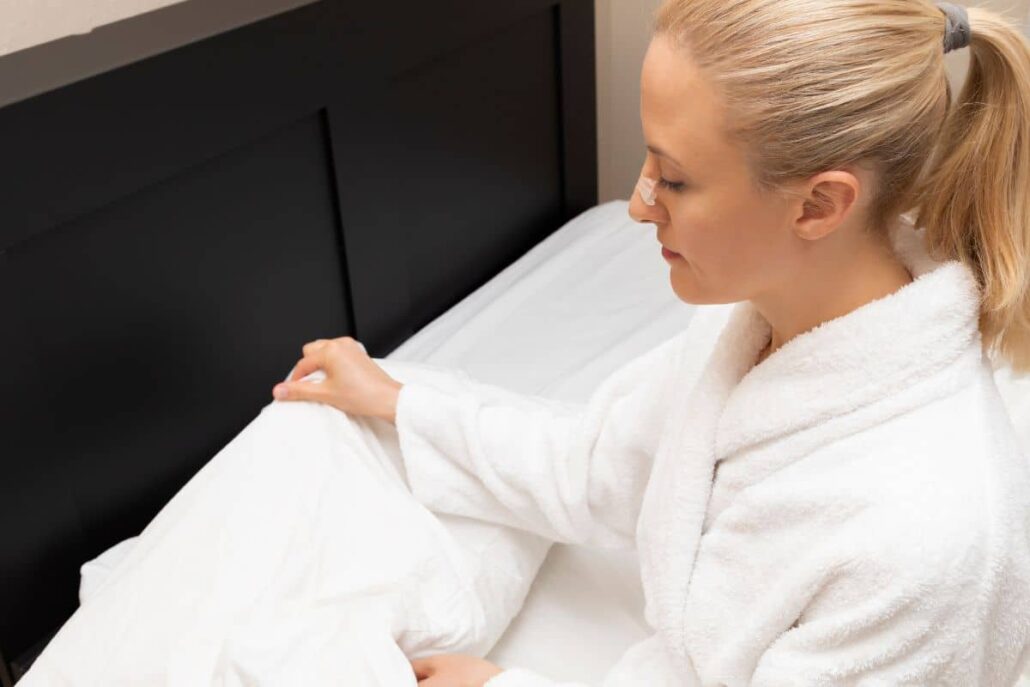
It is incredibly common to feel like you simply can’t sleep after rhinoplasty. Between the unfamiliar elevated position and severe nasal congestion (which forces you to breathe entirely through your mouth), insomnia is a frequent hurdle.
- Combat Dry Mouth: Since you are mouth-breathing, a severely dry throat will wake you up constantly. Keep a glass of water on your nightstand, use a cool-mist humidifier in your room, and try dry-mouth lozenges before bed.
- Optimize Your Sleep Hygiene: Avoid caffeine and screen use for at least an hour before bed. A calm, cool environment reduces the restlessness that often leads to accidental rolling or “face-planting” into pillows.
- Avoid Unapproved Sleep Aids: Never take over-the-counter sleeping pills without your surgeon’s explicit approval. Some medications can thin your blood and dangerously increase the risk of postoperative bleeding.
PATIENTS GALLERY
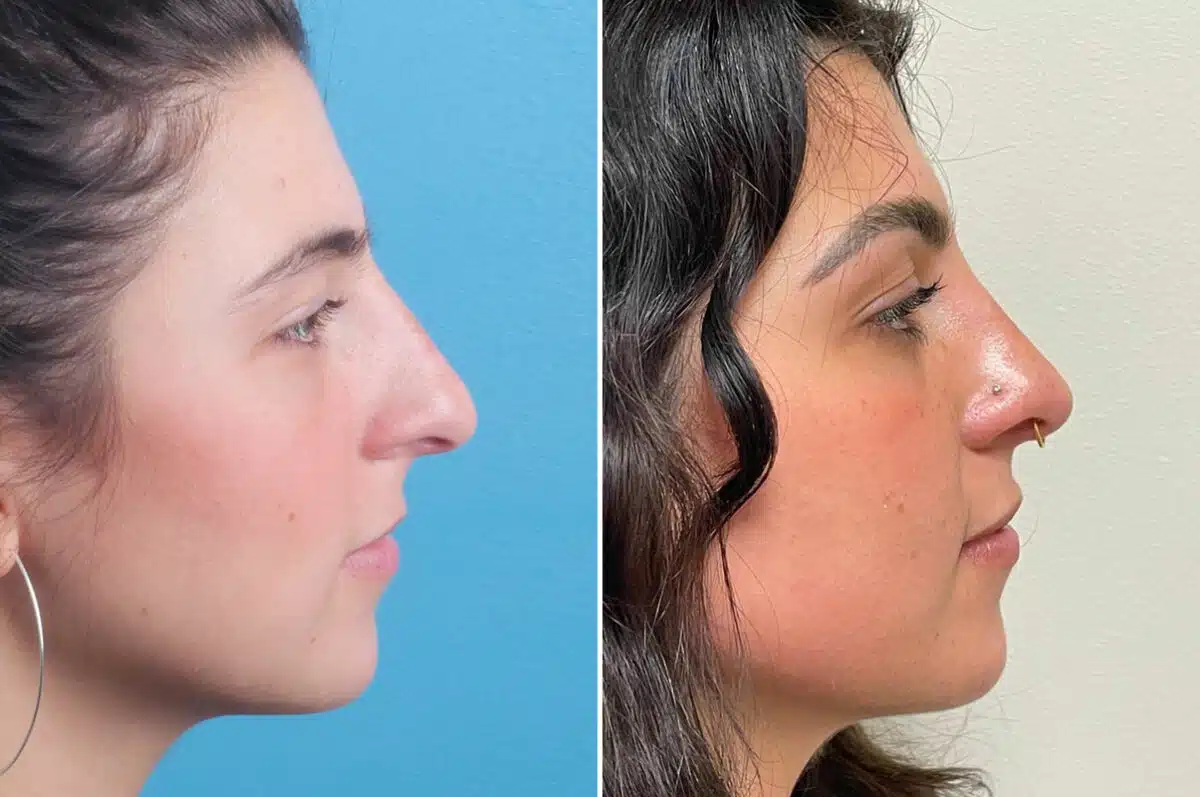
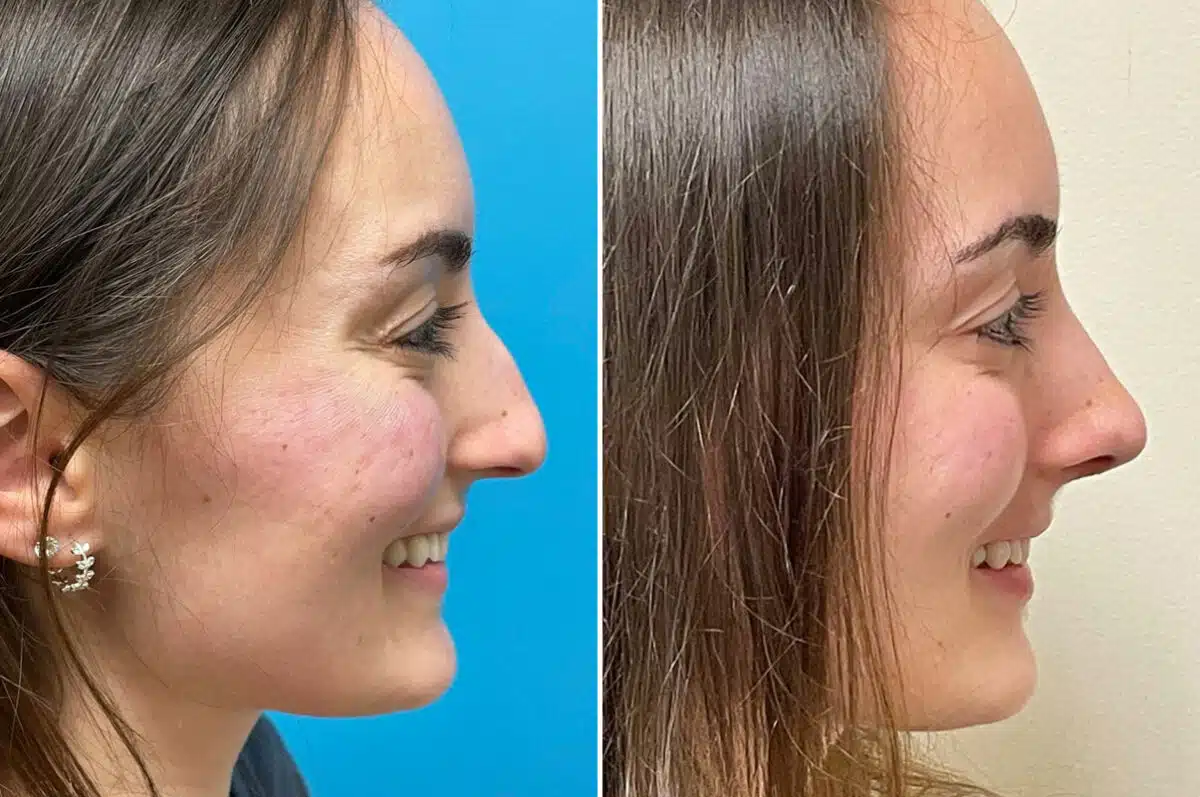
*All patients are unique and individual results may vary.
Managing the Transition to Normal Sleep Positions
Once your swelling has subsided and your surgeon gives the go-ahead, you can begin easing back into your old sleeping position. This typically happens after the first few weeks, but the timeline can vary.
Start by reducing your elevation gradually, first removing one pillow or reclining less steeply. If you’re a side sleeper, try placing a soft pillow under your cheek to reduce direct pressure on the nasal area. Just be sure not to sleep directly on your nose until your surgeon confirms it’s safe.
Adjusting to Sleeping Without a Cast
After your rhinoplasty cast is removed, typically within 5 to 7 days, depending on your individual healing and the specifics of your procedure, it can feel both freeing and a little vulnerable. Many patients ask, “How do I sleep after rhinoplasty cast removal?”
Continue to sleep elevated for at least another week, as internal healing is still taking place. You may feel more comfortable, but your nasal structures are still delicate.
Keep up the back-sleeping position, protect your nose from bumps, and avoid putting weight or pressure on your face. Even without the visible protection of the cast, your nose still needs time to fully stabilize.
Consult with a Rhinoplasty Expert in New Jersey
Rhinoplasty is not just about the surgical procedure; it’s about the entire experience, including safe, attentive postoperative care. Choosing a skilled facial plastic surgeon ensures that you’re supported through every phase of your recovery, from managing swelling to answering questions about your sleep timeline.
At Becker Rhinoplasty Center, our detailed approach to operative care, emphasis on pain management, and personalized recovery plans are designed to support your long-term comfort and optimal aesthetic results. Whether you are considering your first cosmetic nose job or require a complex functional revision, take the next step in your journey with a trusted expert. Schedule a consultation today.