

Ethnic rhinoplasty is a specialized form of nose surgery tailored to preserve the unique characteristics of non-Caucasian noses while improving function and appearance. Unlike traditional rhinoplasty techniques that often rely on Western beauty standards, ethnic rhinoplasty recognizes the importance of cultural identity, anatomical variation, and personalized goals. Whether you’re considering African American rhinoplasty, Asian rhinoplasty, or another approach, the key is achieving natural-looking, balanced results that respect your background. If you’ve been researching “what are the benefits of an ethnic rhinoplasty,” you’re not alone. Interest in ethnic rhinoplasty is steadily growing. Many patients today are seeking refinement—not radical change—to improve nasal harmony, boost self-confidence, and maintain the distinctive features that reflect their heritage. At The Rhinoplasty Center, facial plastic surgeon Dr. Daniel Becker offers expert care to help you meet your aesthetic and functional goals with a respectful, customized approach.
Located in Voorhees and Sewell, NJ, Dr. Becker’s practice is dedicated to serving diverse patients with care that celebrates individuality.
What You’ll Learn About Ethnic Rhinoplasty
- Ethnic rhinoplasty enhances the nose’s shape while preserving cultural identity.
- Procedures are tailored to fit unique anatomical characteristics.
- The surgery can improve breathing and function in addition to appearance.
- The surgical goals are a natural-looking and long-lasting result.
- Expert consultation with a rhinoplasty surgeon is essential for optimal outcomes.
What Is Ethnic Rhinoplasty?
Ethnic rhinoplasty refers to nose reshaping procedures designed specifically for patients of non-Caucasian descent. This includes individuals with African, Asian, Middle Eastern, or Hispanic heritage. Unlike standard rhinoplasty—which has traditionally been based on Caucasian facial proportions—ethnic rhinoplasty focuses on enhancing the nose in a way that complements a patient’s natural features and ethnic background.
There are many reasons someone may seek ethnic rhinoplasty. These can be cosmetic, such as refining a wide nasal bridge or reshaping the nostrils. They can also be functional, such as correcting a deviated septum or improving airflow. Some individuals pursue ethnic rhinoplasty to feel more confident in their appearance without erasing the cultural features that make them unique.
Today, there’s a growing shift away from “one-size-fits-all” beauty ideals. Many patients now prefer refined results that align with their facial structure and heritage. In fact, data shows that over half of rhinoplasty procedures in the U.S. are now performed on non-Caucasian patients—highlighting a strong demand for specialized care.
Top Benefits of Ethnic Nose Surgery
Ethnic rhinoplasty offers a number of important benefits. These go far beyond aesthetics and include both emotional and physical improvements. Below are some of the most common reasons patients choose this procedure.
Maintains Ethnic Identity While Improving Balance
One of the most significant benefits of ethnic rhinoplasty is that it allows patients to retain their cultural identity. Instead of removing or erasing ethnic features, the goal is to create harmony between the nose and the rest of the face. Whether it’s preserving a natural slope, tip shape, or nostril width, your surgeon works with your features—not against them.
Customized Approach to Your Unique Nasal Anatomy
Everyone’s nose is different. Ethnic rhinoplasty recognizes this and adapts surgical techniques to your unique anatomy. For example, patients with thicker skin or softer cartilage may require specific techniques to support the nasal tip or refine the bridge. At The Rhinoplasty Center, every procedure is carefully planned to suit your facial proportions, skin type, and nasal
structure.
PATIENTS GALLERY
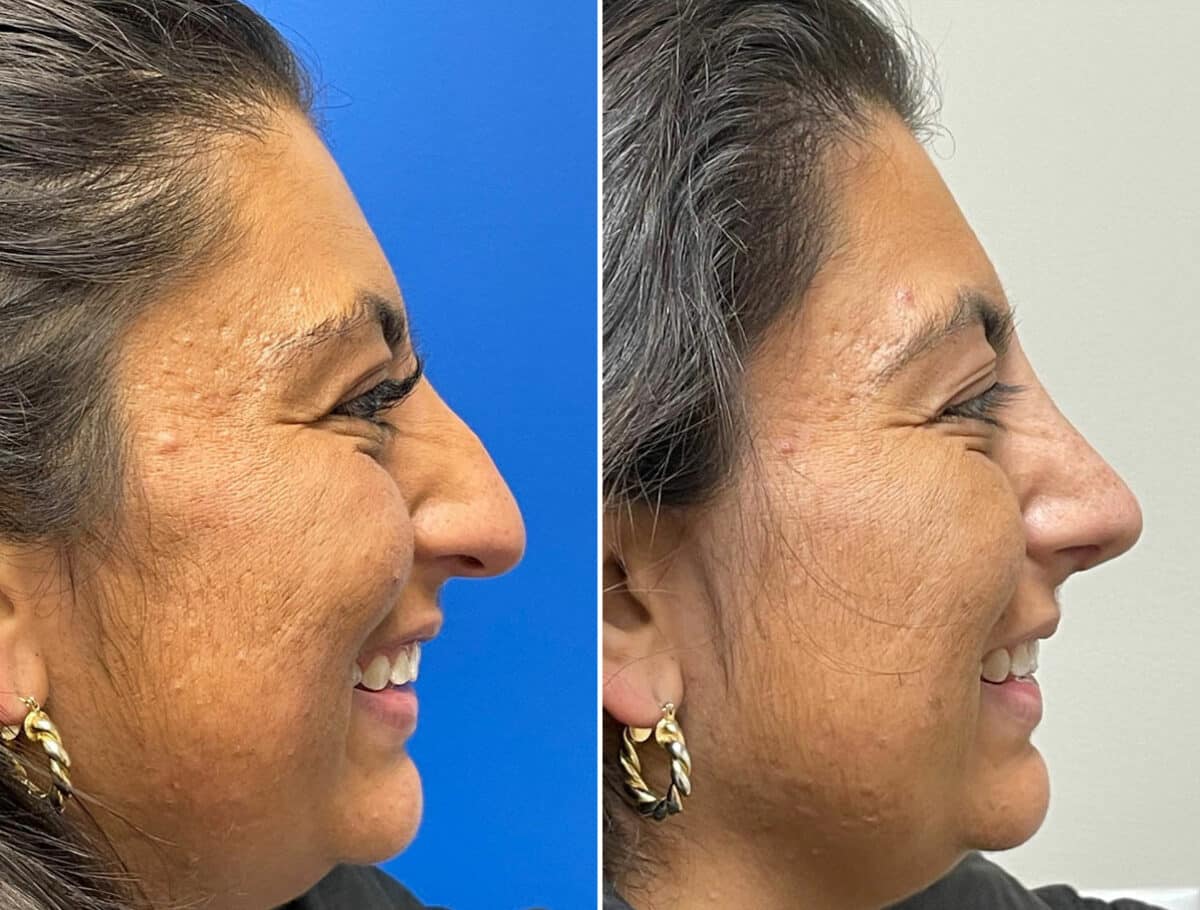

*All patients are unique and individual results may vary.
Improved Breathing and Function (When Necessary)
While many patients choose ethnic rhinoplasty for cosmetic reasons, others may also be looking to address functional concerns. A deviated septum, collapsed nasal valves, or enlarged turbinates can interfere with normal breathing. These issues can often be addressed during rhinoplasty to restore better airflow and improve sleep, physical performance, and daily comfort.
Boosted Self-Esteem and Facial Harmony
When the nose feels too large, flat, or prominent, it can create imbalance in the face and affect how someone feels about their appearance. Ethnic rhinoplasty can improve facial symmetry while respecting your natural beauty, helping many patients feel more comfortable and confident in social or professional settings.
Results That Look Natural and Last a Long Time
Modern ethnic rhinoplasty focuses on subtle, long-term results. By using specialized techniques like cartilage grafts or structural support, your surgeon strives to achieve improvements that look natural and stand the test of time. The goal isn’t to “Westernize” the nose, but rather to enhance it in a way that fits your face and lifestyle.
PATIENTS GALLERY

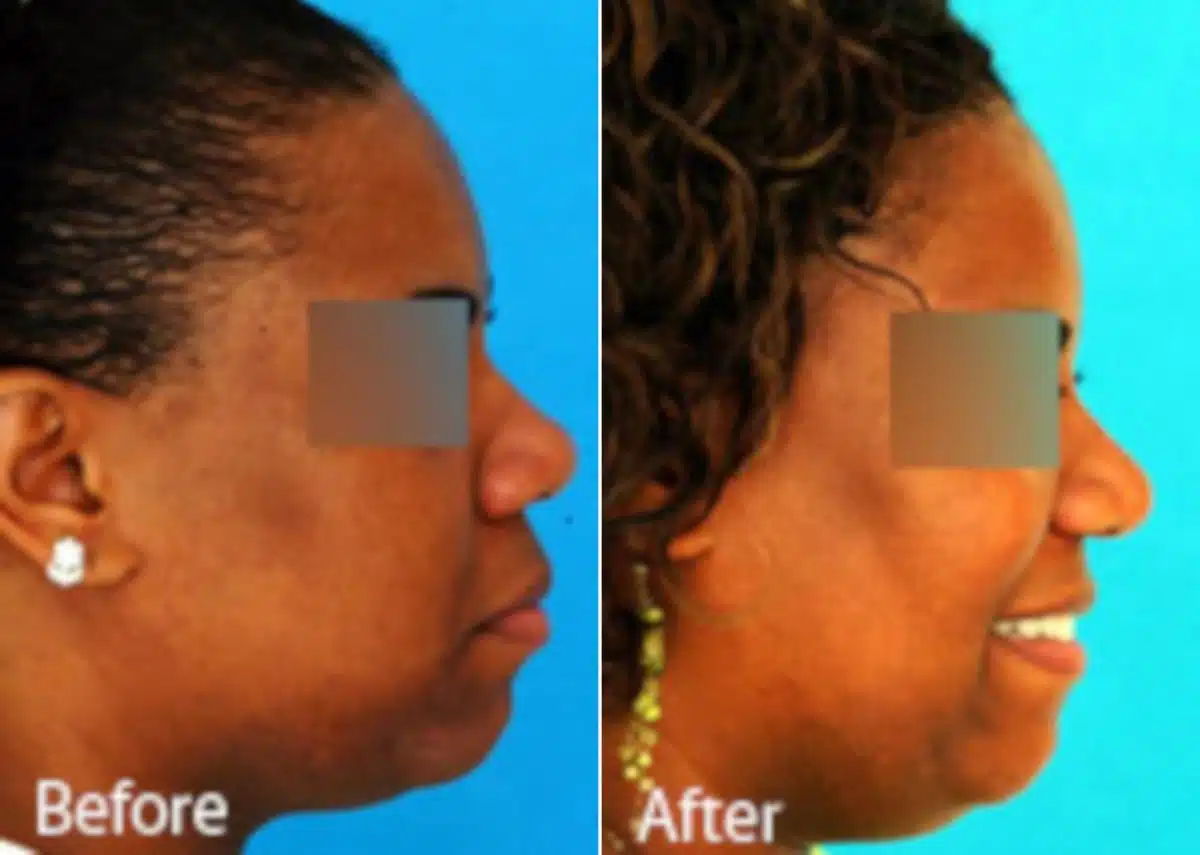
*All patients are unique and individual results may vary.
Who is a Candidate for Ethnic Rhinoplasty?

You may be a good candidate for ethnic rhinoplasty if:
- You are in good general health
- You have realistic goals for surgery
- You want to improve nasal appearance or breathing
- You wish to preserve your ethnic identity
- You understand the potential risks and recovery process
- You’re seeking a rhinoplasty consultation with a board-certified facial plastic surgeon
Unique Features of Ethnic Noses
Every ethnic group has distinctive nasal characteristics, which must be understood and respected during surgery. Below are common traits that often guide surgical planning.
Asian Rhinoplasty
Asian rhinoplasty often involves addressing a lower nasal bridge, a rounder nasal tip, and thicker skin. Many patients seek bridge augmentation, nostril refinement, or improved nasal projection. Techniques such as cartilage grafting from the septum or ear can help add structure while maintaining natural features.
African-American Rhinoplasty
African-American rhinoplasty often addresses a wide nasal base, flared nostrils, or a low nasal bridge. The skin may be thicker, and the cartilage softer, which requires structural support. A subtle narrowing of the bridge or base can create balance without removing cultural identity.
Hispanic/Latino Rhinoplasty
Hispanic rhinoplasty often involves refining a bulbous nasal tip, correcting dorsal humps, or addressing thicker skin. There is also a wide range of features within the Hispanic community, which may include European, Indigenous, or Afro-Caribbean ancestry. A personalized approach is essential to preserve this diversity while achieving aesthetic goals.
Middle Eastern Rhinoplasty
Middle Eastern rhinoplasty often addresses a high nasal bridge, prominent hump, or drooping tip. While these features can be strong and elegant, some patients feel they dominate their profile. Adjustments can be made to improve proportion while preserving the character of the nose.
See the difference that a subtle, personalized change can make
Schedule a visit with Dr. Becker to learn how ethnic rhinoplasty can work for you.
Why Choose Dr. Daniel Becker?
Dr. Daniel Becker is a double board-certified facial plastic surgeon with a national reputation for excellence in ethnic rhinoplasty. As the founder of The Rhinoplasty Center with locations in Voorhees and Sewell, NJ, Dr. Becker brings decades of experience and a personalized, respectful approach to every patient he treats.
His advanced understanding of nasal anatomy and deep commitment to natural results make him a top choice for patients seeking ethnic rhinoplasty. Whether you’re considering Asian rhinoplasty, African-American rhinoplasty, or another tailored approach, Dr. Becker can help you feel confident in your decision every step of the way.
Consult with an Ethnic Rhinoplasty Surgeon
Choosing the right rhinoplasty surgeon is one of the most important steps in your journey. At your rhinoplasty consultation, Dr. Becker will listen to your concerns, evaluate your nasal structure, and create a personalized plan tailored to your face and goals. Dr Becker performs “Computer Imaging” (also known as “Computer Morphing”) on each patient – this is extremely helpful in arriving at the surgical goal.
During your consultation, you can also discuss rhinoplasty cost, recovery expectations, and potential risks. You’ll leave with a clear understanding of your options and what to expect moving forward.
If you’re considering ethnic rhinoplasty in New Jersey, we encourage you to contact The Rhinoplasty Center today. Our offices in Sewell and Voorhees welcome patients from all backgrounds who are ready to take the next step toward feeling confident and looking their best.