

Choosing rhinoplasty is a highly personal decision that involves more than changing the shape of the nose. For many patients, nasal surgery is about balance, proportion, breathing function, and maintaining features that reflect cultural background and individual identity. As interest grows in more customized surgical approaches, many people researching nose surgery encounter the topic of ethnic rhinoplasty vs rhinoplasty and wonder what truly sets these approaches apart.
At Becker Rhinoplasty Center, patients from Sewell and Voorhees, NJ frequently ask what ethnic rhinoplasty means, how it differs from traditional rhinoplasty, and which approach may be most appropriate for their goals. While the surgical principles of rhinoplasty remain consistent, the planning, techniques, and aesthetic priorities can differ significantly depending on nasal anatomy and personal preferences.
Understanding these distinctions helps patients make informed decisions and choose a rhinoplasty surgeon with the experience needed to deliver natural, individualized results.
What You’ll Learn at a Glance
- Ethnic rhinoplasty focuses on preserving cultural identity while improving nasal balance.
- Traditional rhinoplasty often addresses nasal features commonly found in Caucasian noses.
- Both approaches use advanced rhinoplasty techniques tailored to anatomy and goals.
- Surgeon experience plays a critical role in achieving natural-looking results.
- A personalized consultation is the best way to determine the right surgical approach
What Is Traditional Rhinoplasty?
Traditional rhinoplasty is a well-established form of nose surgery that focuses on reshaping nasal structures to improve proportion, symmetry, and function. Historically, traditional rhinoplasty techniques were developed based on nasal anatomy most commonly associated with Caucasian noses, including a higher nasal bridge, narrower nasal bones, and more defined cartilage.
In traditional rhinoplasty, surgery may address concerns such as dorsal humps, nasal asymmetry, tip refinement, or breathing difficulties caused by internal nasal structures. The goal is not to create a generic nose but to enhance balance between the nose and the surrounding facial features while maintaining a natural appearance.
Although traditional rhinoplasty remains appropriate for many patients, it may not fully address the anatomical differences or aesthetic priorities of individuals from diverse ethnic groups. This is where ethnic rhinoplasty becomes an important and specialized option.
PATIENTS GALLERY

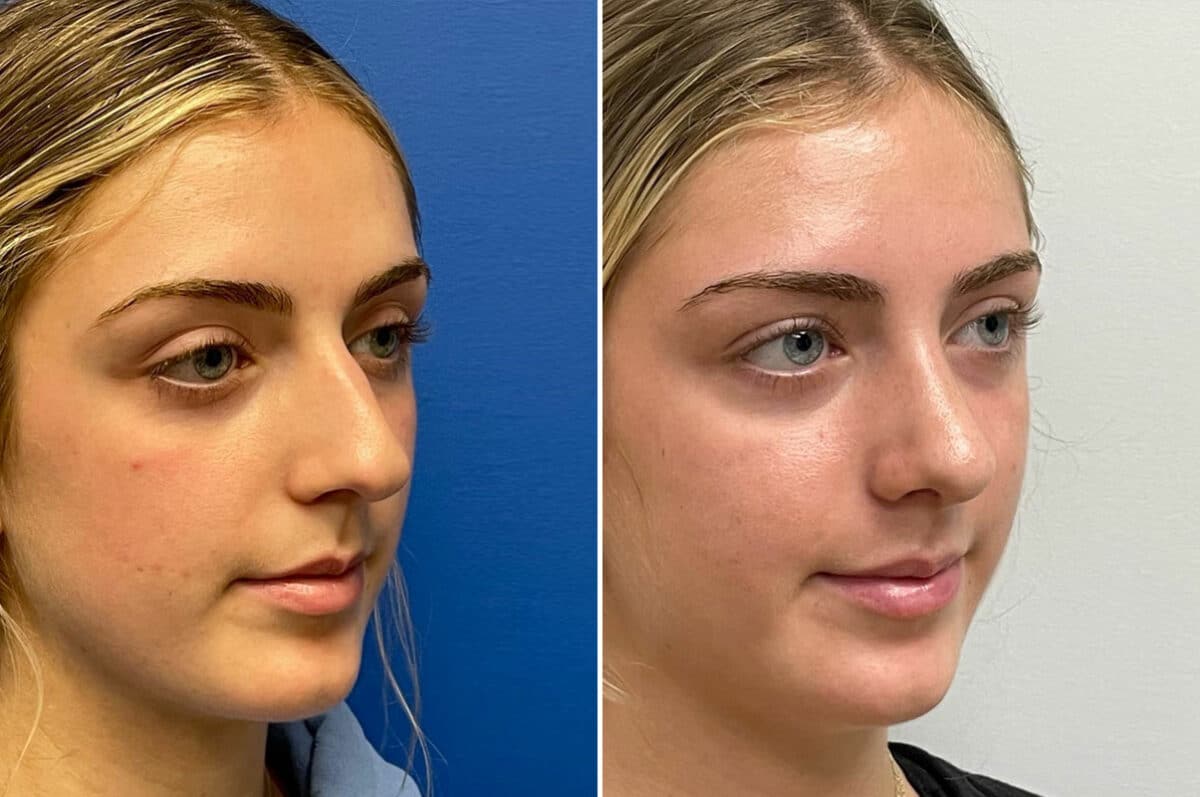
*All patients are unique and individual results may vary.
What Is Ethnic Rhinoplasty?
What is ethnic rhinoplasty? Ethnic rhinoplasty is a specialized approach to rhinoplasty that considers the unique nasal structures, skin thickness, cartilage strength, and facial proportions commonly seen in patients from various ethnic backgrounds. It is designed to improve the appearance and function of the nose while respecting cultural identity and ethnic features.
Rather than applying a single aesthetic standard, ethnic rhinoplasty emphasizes customization. The goal is to refine the nose in a way that enhances harmony with the patient’s facial features without erasing characteristics tied to heritage or ethnic identity.
Ethnic rhinoplasty patients may include individuals of African American, Asian, Hispanic, Middle Eastern, or mixed backgrounds. Each patient’s anatomy is evaluated individually, and surgical planning is guided by nasal structure rather than labels alone.
PATIENTS GALLERY

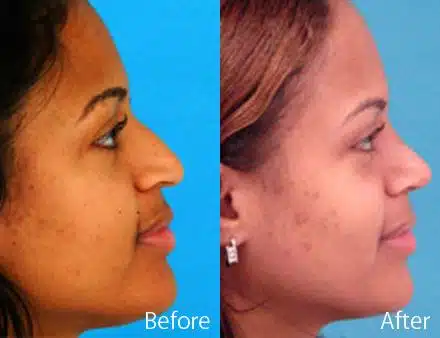
*All patients are unique and individual results may vary.
Specialized Forms of Ethnic Nose Surgery
Ethnic rhinoplasty is not a single technique but a category that includes several specialized approaches. These techniques are tailored to specific anatomical characteristics and aesthetic goals.
Asian Rhinoplasty
Asian rhinoplasty often focuses on addressing a lower nasal bridge, wider nasal base, and softer cartilage. Many Asian rhinoplasty patients seek improved projection and definition while maintaining a natural appearance that aligns with their facial features.
Common anatomical characteristics in Asian noses may include a flatter nasal bridge and thicker skin, which require specialized techniques. Surgeons may use cartilage grafts to enhance structure and support, creating subtle elevation and refinement rather than dramatic narrowing.
African American Rhinoplasty
African American rhinoplasty addresses nasal features such as a wider nasal base, lower bridge, and thicker skin with less rigid cartilage. The goal is typically to enhance definition, support the nasal tip, and improve balance while preserving ethnic features.
Specialized techniques are often needed to reinforce nasal structures and achieve long-lasting results. African American rhinoplasty emphasizes proportion and refinement rather than conformity to a single aesthetic ideal.
Rhinoplasty Should Be Highly Personalized
Dr. Daniel Becker offers individualized surgical planning for patients seeking rhinoplasty in Sewell and Voorhees, NJ.
Key Differences Between Ethnic Rhinoplasty and Traditional Rhinoplasty
Although both procedures fall under the umbrella of rhinoplasty, several important differences distinguish ethnic rhinoplasty vs rhinoplasty in planning and execution.
Nasal Anatomy Considerations
Ethnic rhinoplasty places greater emphasis on variations in nasal structures, including skin thickness, cartilage strength, and nasal bone shape. These anatomical factors influence how the nose heals and how results evolve over time.
Traditional rhinoplasty techniques may not fully account for these differences, which is why specialized planning is essential for many rhinoplasty patients.
Surgical Techniques Used
Ethnic rhinoplasty often relies on specialized techniques such as cartilage grafting to build support rather than remove structure. These techniques help maintain stability and achieve balanced results, particularly in noses with softer cartilage.
Traditional rhinoplasty may focus more on reduction techniques, such as smoothing a nasal hump or narrowing nasal bones. While effective for many patients, these techniques must usually be adapted when used in ethnic rhinoplasty cases.
Aesthetic Goals and Outcome Expectations
In ethnic rhinoplasty, aesthetic goals often center on refinement rather than transformation. Patients typically want improvements that look natural and aligned with their cultural identity.
Traditional rhinoplasty may focus on reshaping features commonly associated with Caucasian noses, such as narrowing the bridge or refining the tip. Neither approach is better or worse, but the difference lies in how goals are defined and achieved.
Potential Risks and Considerations
All nose surgery carries risks, including swelling, scarring, and changes in sensation. Ethnic rhinoplasty can be more complex due to thicker skin or weaker cartilage, which may influence healing and final results.
Choosing a surgeon experienced in rhinoplasty techniques across diverse anatomies helps minimize these risks and supports more predictable outcomes.
Why Surgeon Experience Matters in Ethnic Rhinoplasty Results
Ethnic rhinoplasty requires a deep understanding of nasal anatomy, cultural considerations, and advanced surgical techniques. Experience matters because subtle differences in structure can significantly affect results.
A skilled rhinoplasty surgeon knows how to adapt techniques to individual nasal structures rather than applying a standardized approach. This level of expertise is especially important when addressing ethnic features and preserving cultural identity.
At Becker Rhinoplasty Center, Dr. Daniel Becker specializes in rhinoplasty and has extensive experience treating patients from a wide range of ethnic groups. His approach emphasizes individualized planning, structural support, and long-term balance.
How to Know Which Rhinoplasty Approach Is Right for You
Determining whether traditional rhinoplasty or ethnic rhinoplasty is appropriate depends on anatomy, goals, and personal preferences. During a consultation, the surgeon evaluates nasal structures, facial proportions, and functional concerns such as breathing.
Patients are encouraged to discuss what they like about their nose, what they hope to improve, and how important it is to preserve certain ethnic features. This conversation helps guide surgical planning and ensures expectations are aligned.
There is no single right approach for all patients. The most successful outcomes come from a personalized plan that respects both anatomy and identity.

Why Patients Choose Becker Rhinoplasty Center
Patients from Sewell and Voorhees, NJ trust Becker Rhinoplasty Center for its focused expertise and patient-centered approach to care. Dr. Daniel Becker is a board-certified Otolaryngologist–Head & Neck Surgeon who specializes in rhinoplasty, bringing advanced knowledge of nasal anatomy, function, and facial balance to every procedure.
The consultation process emphasizes education, transparency, and collaboration. Patients receive clear explanations of surgical options, realistic timelines, and how results typically evolve as healing progresses.
This commitment to individualized planning and thoughtful care helps patients feel informed, supported, and confident throughout their rhinoplasty journey.
Schedule a Personalized Rhinoplasty Consultation
If you are considering nose surgery and want to understand the difference between ethnic rhinoplasty vs rhinoplasty, a personalized consultation is the best place to start. Meeting with an experienced facial plastic surgeon allows you to explore options, ask questions, and develop a plan tailored to your goals.
Becker Rhinoplasty Center welcomes patients from Sewell, Voorhees, and surrounding New Jersey communities who are seeking expert care and natural-looking results. Scheduling a consultation is the first step toward addressing both appearance and function with confidence.